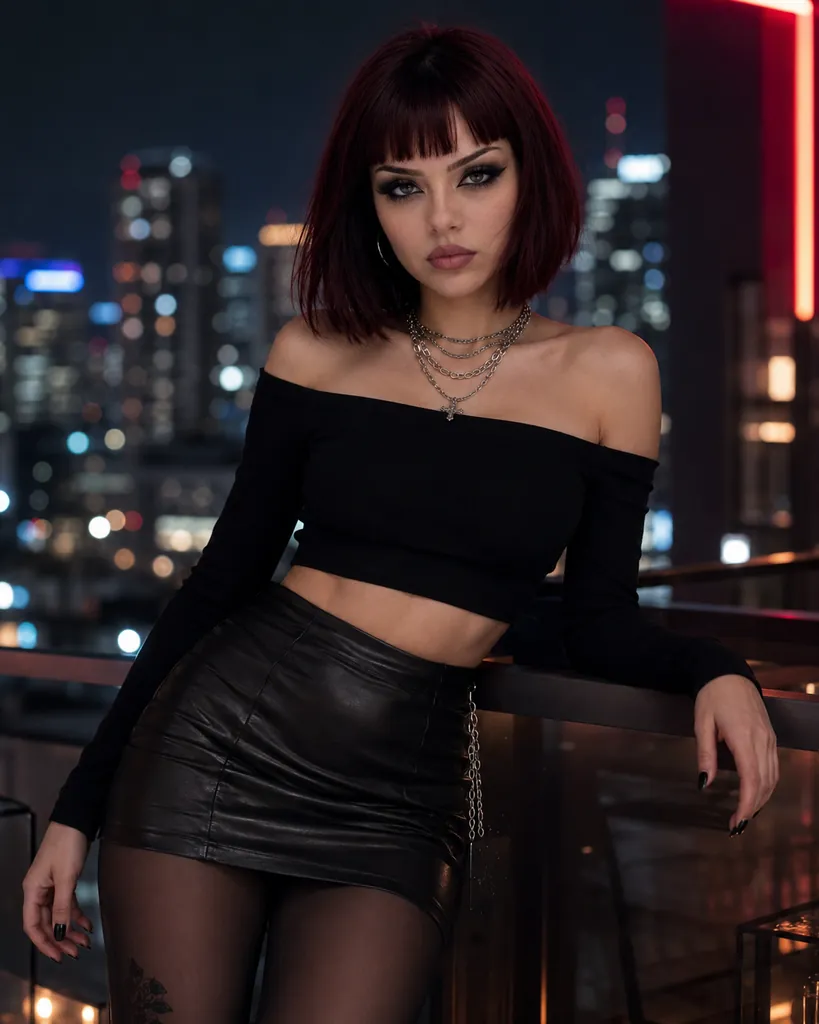
What custom video actually means
A custom video is made for one client, not for a public feed. He may want a specific outfit, a spoken name, a character, a mood, or a short scenario. The clip can be thirty seconds or five minutes. It can be a simple tease, a roleplay, or a visual that has nothing to do with a traditional photo set.
The value is in the specificity. A client is not paying for a generic video he could find anywhere. He is paying for a video that feels like it was made for him. That is why the brief matters more in this category than in almost any other. A vague request produces a vague clip, and a vague clip does not sell.
It is also a category where you can build a repeat client faster than in photo work. A client who likes your voice, your style, or the way you perform a character may come back with another request. That is good for income, as long as the requests stay within your limits.
What clients ask for
Requests usually include a scenario, an outfit, a tone, and a length. “A 60-second clip in black lingerie, looking at the camera, saying my name, no explicit touching” is a clear brief. “Something sexy” is not. You should know what the client wants before you press record.
Some clients want a character or a power dynamic. Some want a specific colour, setting, or prop. Some want a video that feels like a conversation. Some want something more explicit. You decide which of those requests you will consider, and you are allowed to decline a category without losing the whole relationship.
If the client wants his name used, you should decide whether you are comfortable saying it. If he wants a scenario that makes you feel uncomfortable, that is a no, even if the price is high. Money does not turn a bad feeling into consent.
What you actually need
You need a phone that records decent video, a stable surface or a cheap tripod, and light that flatters the scene. A window is usually enough. A ring light can help if you learn how to diffuse it, but it is not required. A shaky clip with beautiful light is still a shaky clip.
Plan three or four beats before you record: a look, a turn, a line, a change of position. You do not need a full script. You need enough structure to avoid a minute of nervous silence. Record more than you need and trim the beginning and end.
Check the audio. If you are speaking, test the sound before the full take. If you are not speaking, silence is fine. Avoid heavy filters; they can make the video look dated and hide the details the client is paying for. Keep the frame clean and the background intentional.
How the process works
You apply with a regular photo and a short message about what you are open to. If a custom video brief fits, Aurora sends you the script or scenario, the length, the price, the deadline, and the usage terms. You can accept, decline, or ask for a change. If you accept, you record at home, deliver privately, and receive 75% of the agreed fee after the client pays.
The 25% covers the work before the brief reaches you: client acquisition, screening, negotiation, admin, hosting, payment processing, and chargeback risk. It is not a monthly charge. Read how client matching and the 75% split work if you want the full breakdown.
Performance and boundaries
You do not have to be an actress. You have to be present. A calm, direct video often works better than a forced performance. If a client asks for a character, you can build it with a voice, an outfit, and a few clear mannerisms. You do not need to become someone else for the whole day.
Decide before you record what you will not do on camera. No face, no voice, no explicit acts, no props, no names, no fake scenarios that cross your limits. Write it down. A boundary you can see is easier to keep when a client asks for “just one more thing”.
You can stop recording at any point. You can ask for a pause. You can decide that the clip is not working and renegotiate the deadline. A professional client will understand that a person is not a vending machine.
Privacy in custom video
Video can reveal more than a photo: your voice, your room, your mannerisms, the way you move. If privacy matters to you, choose a neutral background, avoid identifiable objects, and decide whether your face or voice will be part of the clip. A mask, a crop, or a voice note can be part of the aesthetic, not a compromise.
Use a private upload link or a private channel. Do not send the raw file through a public link. Keep a copy of the brief and the usage terms. If the client wants the video for a specific platform or a specific period, put that in writing.
No service can guarantee that a video will never be copied. If complete anonymity is non-negotiable, this is not the right category. If you want to be careful, we can talk about what careful looks like before you record.
Who this category suits
It suits adults who are comfortable being seen and heard, who can follow a short brief, and who are willing to practise a little before the real take. It suits people who like the idea of making something specific for one person, rather than posting for a crowd.
It does not suit anyone under 18. It does not suit someone who is being pressured, who needs guaranteed income, or who is not comfortable with their voice or image being replayed. It does not suit someone who wants every clip to be perfect on the first try. Video takes practice, and that is normal.
Questions about custom video work
Do I need a professional camera?
No. A modern phone is enough for most custom clips. A stable surface, clean light, and a clear frame matter more than the camera. If a brief needs a specific quality or format, it should say so before you accept.
Do I have to speak on camera?
No. Some clips are silent. Some use text or a written message. If a client wants your voice, that is a separate preference you can accept or decline. You can also use a character voice if that feels more comfortable.
How long should a custom video be?
It depends on the brief. Many are between 30 seconds and five minutes. Longer is not automatically better. A clear, well-lit 60-second clip can be more valuable than a rambling ten-minute video.
I run a private casting and project-matching service for adult creators. I write about the practical side of the work: money, privacy, boundaries, and the questions women ask before they decide.